
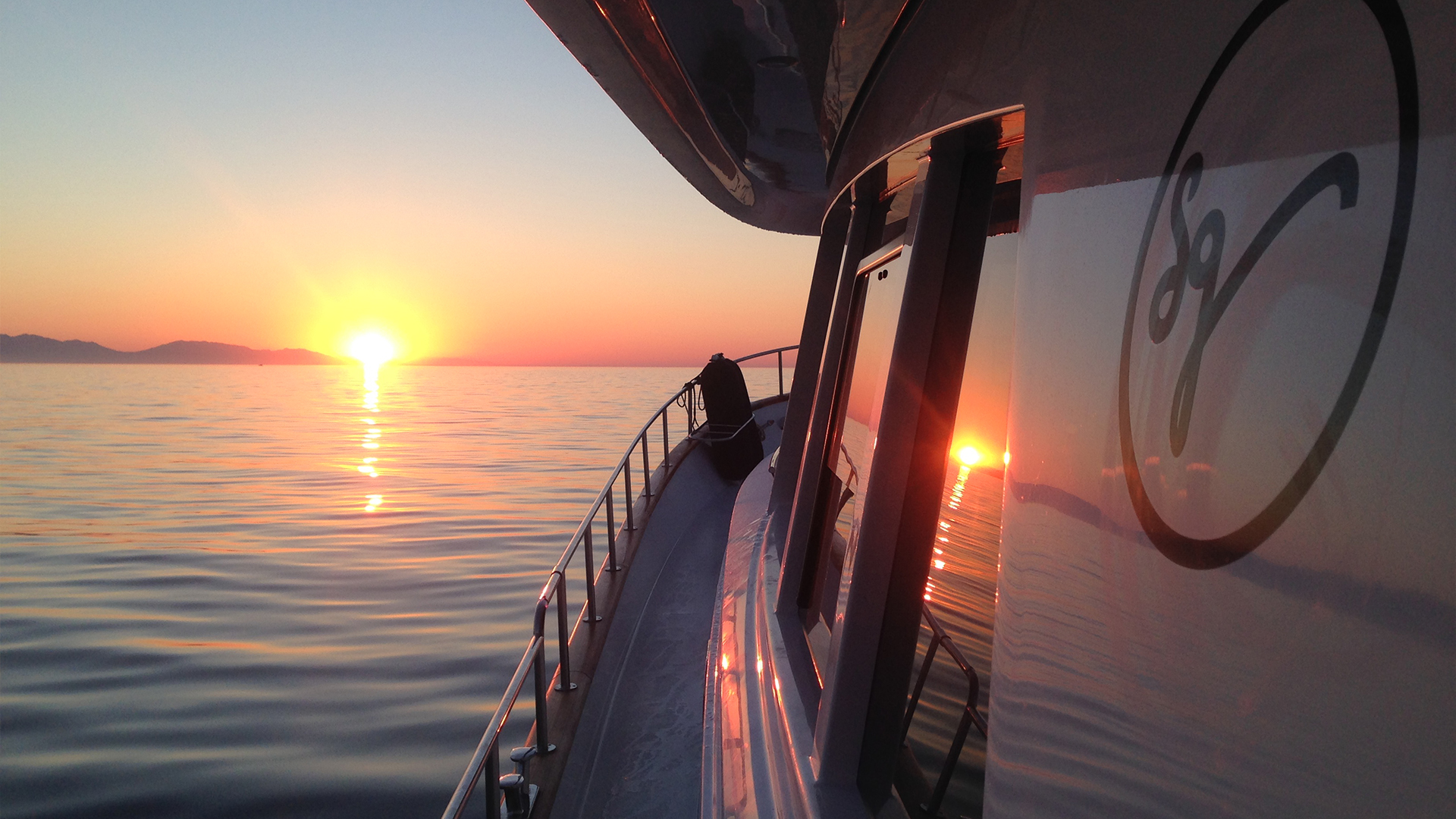
Not just shipbuilding
When speaking about Sasga, it’s easy to stay on the surface: a family shipyard, Mediterranean tradition, careful construction, impeccable finishes. But reducing Sasga to a boat manufacturer would be an oversimplification. Sasga does not build boats. Sasga interprets a way of being at sea.
From Menorca, the brand has built something deeper than a recognizable range of vessels. It has developed a culture. A way of navigating without haste. A relationship with time not defined by speed, but by experience.
Sailing is not about competing
While much of the nautical industry competes in figures — more knots, more meters, more power — Sasga has chosen a different path: balance. Its models are not designed to impress at the dock, but to convince in real use. These are boats meant to enjoy the journey, not to turn it into a race.
Reinterpreted tradition
The key lies in its Mediterranean DNA. The traditional llaüt was not an object of display; it was a working tool. Robust, stable, honest in its behavior at sea. Sasga has managed to respect that essence while integrating contemporary technology and modern comfort without betraying its original character.
Design shaped by the sea
At Sasga, design does not start from aesthetics, but from the sea. Every form responds to how the vessel behaves in real conditions. The bow, with volume and a progressive entry, softens the impact on short Mediterranean waves. The hull, with rounded shapes and an efficient displacement philosophy, is designed to optimize consumption and maintain a smooth, noble navigation.
Enduring over standing out
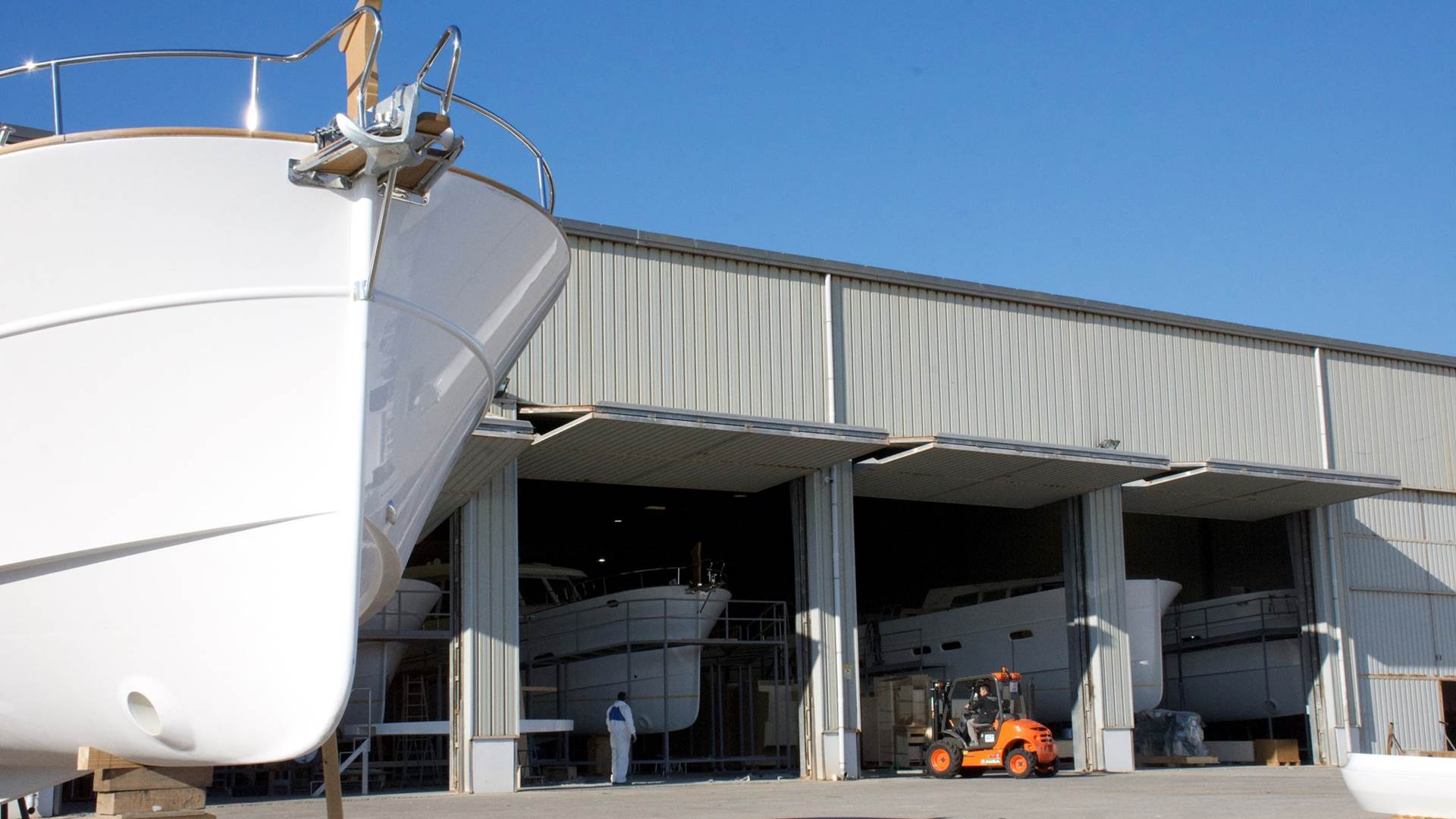
There is also a business vision behind this approach. Instead of growing without limits, Sasga has chosen to control the process, prioritizing quality over quantity. At a time when yachting is increasingly associated with ostentatious luxury, Sasga represents another narrative: that of quiet luxury. The kind that understands that the true privilege is not going faster, but sailing with purpose.
Because for Sasga, the sea is not a stage. It is a way of life.
 Spanish
  English
  German
  Italian
  French